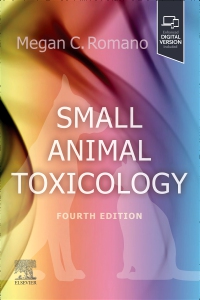
Small Animal Toxicology, 4th Edition
Paperback
$118.99
-
- NEW! Chapters, including Special Considerations in Cats, Cycads (Sago Palm), Onions and Garlic, Food Poisoning, and Cannabidiol
- NEW! Updated content includes substantial revisions to the guidelines for evaluation, diagnosis, and treatment, such as examinations of the source, toxic dose, toxicokinetics, clinical signs, minimum database, confirming tests, treatment progress, and differential diagnosis for each specific toxicant
- NEW! Enhanced ebook version, included with every new print purchase, allows digital access to all text, figures, and references, with the ability to search, customize content, make notes and highlights, and have content read aloud on a variety of devices
-
- In-depth information on toxins/poisons includes the full range of substances from acetaminophen to zinc, including home products, prescription medicines, recreational drugs, and more
- Coverage of common poisonous substances includes grapes and raisins, nicotine, mercury, mushrooms, Christmas-time plants, and snake and spider venoms
- Toxicology Basics section provides information on toxicologic principles and clinical approaches to diagnosis, as well as the effective use of a diagnostic laboratory, pet food contamination, and mass exposures
- General Treatment Concepts section addresses toxicologic decontamination, antidotes, and supportive care of the poisoned patient
- Special Patient Considerations section covers intoxicated patients such as pediatric, geriatric, and pregnant or lactating patients, birds, reptiles, cats, and other small mammals, along with commonly encountered toxicants
- Approximately 50 international contributors provide up-to-date, authoritative advice on treating poisonings and intoxications
-
-
 Small Animal ToxicologyElsevier eBook on VitalSource
-
-
PART 1 General Toxicology
SECTION 1 Toxicology Basics and General Considerations
Chapter 1 General Toxicologic Principles for Clinicians
Chapter 2 Toxicology Resources
Chapter 3 Approach to Diagnosis for the Toxicology Case
Chapter 4 Effective Use of a Veterinary Medical Diagnostic Laboratory
Chapter 5 Handling Suspected Pet Food Contamination Cases
Chapter 6 Responding to Mass Exposures
SECTION 2 General Treatment Concepts
Chapter 7 Toxicologic Decontamination
Chapter 8 Initial Management and Supportive Care of the Poisoned Patient
Chapter 9 Antidotes, Antidote Like Drugs, and Reversal Agents
SECTION 3 Special Patient Considerations
Chapter 10 Toxicologic Considerations in Birds
Chapter 11 Toxicologic Considerations in Cats
Chapter 12 Poisoning in Captive Reptiles
Chapter 13 Small Mammal Toxicology
Chapter 14 Toxicologic Considerations in the Geriatric Patient
Chapter 15 Toxicologic Considerations in the Pediatric Patient
Chapter 16 Toxicologic Considerations in Pregnant or Lactating Patients
Chapter 17 Toxicologic Considerations of the Reproductive System
PART 2 Specific Toxicants
SECTION 1 Clostridial Toxins
Chapter 18 Botulism
Chapter 19 Tetanus
SECTION 2 Drugs, Medications, and Supplements
Chapter 20 Adverse Drug Reactions
Chapter 21 Amitraz
Chapter 22 Isoxazoline Parasiticides (-laners)
Chapter 23 Macrocyclic Lactones
Chapter 24 5-Fluorouracil
Chapter 25 Acetaminophen
Chapter 26 Amphetamines
Chapter 27 Anticonvulsants
Chapter 28 Antidepressants (SSRIs, MAOIs, TCAs, and Atypical Antipsychotics)
Chapter 29 Baclofen
Chapter 30 Barbiturates
Chapter 31 Benzodiazepines and Z-drugs (Sleep Aids)
Chapter 32 Beta Blockers
Chapter 33 Tetrahydrocannabinol (THC) and Synthetic Cannabinoids
Chapter 34 Cannabidiol (CBD): Adverse Effects and Potential Uses
Chapter 35 Calcium Channel Blockers
Chapter 36 Cocaine, PCP, and other Illicit Stimulants
Chapter 37 Hazards Associated With the Use of Herbal and Other Natural Products
Chapter 38 Imidazoline Decongestants
Chapter 39 Ionophores
Chapter 40 Joint Supplements (Oral)
Chapter 41 Metronidazole
Chapter 42 Nicotine
Chapter 43 NSAIDs
Chapter 44 Opioids
Chapter 45 Pimobendan
Chapter 46 Pseudoephedrine and Phenylephrine
Chapter 47 Pyrethrins and Pyrethroids
Chapter 48 Spot-on Products
SECTION 3 Envenomations
Chapter 49 Insects (Hymenoptera)
Chapter 50 Poisonous Lizards
Chapter 51 Snake Bite: North American Pit Vipers
Chapter 52 Snake Bite: Coral Snakes
Chapter 53 Spider Envenomation: Black Widow
Chapter 54 Spider Envenomation: Brown Recluse
Chapter 55 Toads
SECTION 4 Food and Beverage
Chapter 56 Toxic Alcohols
Chapter 57 Bread Dough
Chapter 58 Methylxanthines Caffeine, Theobromine, Theophylline
Chapter 59 Bacterial Food and Waterborne Poisoning with Gastrointestinal Signs
Chapter 60 Grapes and Raisins (Vitis spp.)
Chapter 61 Macadamia Nuts
Chapter 62 Tremorgenic Mycotoxins (Penitrem A and Roquefortine C)
Chapter 63 Mycotoxins—Pet Food-Associated
Chapter 64 Onions and Garlic and other Allium spp.
Chapter 65 Xylitol
SECTION 5 Household and Industrial
Chapter 66 Carbon Monoxide
Chapter 67 Citrus Oils
Chapter 68 Cyanide
Chapter 69 Essential Oils
Chapter 70 Ethylene Glycol
Chapter 71 Miscellaneous Indoor Toxicants
Chapter 72 Indoor Environmental Quality and Health
Chapter 73 Petroleum Hydrocarbons
Chapter 74 Propylene Glycol
Chapter 75 Smoke Inhalation
SECTION 6 Metals and Minerals
Chapter 76 Arsenic
Chapter 77 Copper
Chapter 78 Iron
Chapter 79 Lead
Chapter 80 Mercury
Chapter 81 Sodium
Chapter 82 Zinc
SECTION 7 Pesticides and Insect Repellents
Chapter 83 Anticoagulant Rodenticides
Chapter 84 Bromethalin
Chapter 85 Cholecalciferol
Chapter 86 Sodium Fluoroacetate (Compound 1080)
Chapter 87 DEET
Chapter 88 Miscellaneous Pesticides
Chapter 89 Metaldehyde
Chapter 90 Organophosphate and Carbamate Insecticides (Cholinesterase Inhibitors)
Chapter 91 Organochlorines
Chapter 92 Paraquat
Chapter 93 Strychnine
Chapter 94 Zinc Phosphide
SECTION 8 Plants, Mushrooms, & Blue-green Algae
Chapter 95 Cyanobacteria Toxins
Chapter 96 Christmastime Plants
Chapter 97 Cycads (Sago Palms)
Chapter 98 Household and Garden Plants
Chapter 99 Lilies
Chapter 100 Mushrooms
Chapter 101 Oxalate-containing Plants -
No accessibility information is available for this product.

 as described in our