
ISBN:
9780443278457
Copyright:
2027
Publication Date:
02-02-2026
Page Count:
34
Imprint:
Elsevier
List Price:
$97.05
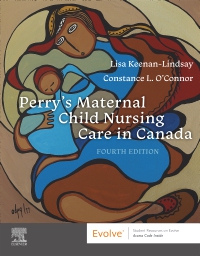
Perry’s Maternal Child Nursing Care in Canada - E-Book, 4th Edition
by Lisa Keenan-Lindsay, RN, MN, PNC(C) and Constance L. O'Connor, MN, RN(EC)
Hardcover
ISBN:
9780443278457
Copyright:
2027
Publication Date:
02-02-2026
Page Count:
34
Imprint:
Elsevier
List Price:
$97.05
$97.05
Free Shipping!
Not Yet Available
Featuring the most accurate, current, and clinically relevant information available, Perry’s Maternal Child Nursing Care in Canada combines essential maternity and pediatric nursing information in one text. Comprehensive coverage includes promotion of wellness and the care for persons experiencing common health concerns throughout the lifespan, care in childbearing, as well as the health care of children and child development in the context of the family. Health concerns, including physiological dysfunctions and special needs and illnesses, are also featured. This text provides a family-centred care approach that recognizes the importance of collaboration with families when providing care.
-
• Medication Alerts stress medication safety concerns for better therapeutic management. • Safety Alerts highlighted and integrated within the content draw attention to developing competencies related to safe nursing practice. • Research Focus boxes identify best practices by presenting evidence and how to apply the knowledge learned. • Atraumatic Care boxes in the pediatric unit teach you how to provide competent and effective care to pediatric patients with the least amount of physical or psychological stress. • Community Focus boxes emphasize community issues, supply resources and guidance, and illustrate nursing care in a variety of settings. • Clinical reasoning case studies offer you opportunities to test and develop your analytical skills and apply knowledge in various settings. • Cultural Awareness boxes explore beliefs and practices about pregnancy, childbirth, parenting, women's health concerns, and caring for sick children. • Evidence-Informed Practice boxes highlight findings that confirm effective practices or that identify practices with unknown, ineffective, or harmful effects. • Emergency boxes alert you to emergency situations and guide you step-by-step through emergency procedures. • Family-Centred Care boxes highlight the needs or concerns of families that you should consider in providing family-centred care. • Guidelines boxes outline nursing procedures in an easy-to-follow format. • Home Care boxes detail important information that you need to deliver care to patients and families in the home setting. • Medication Guide boxes include key information about medications used in maternity and newborn care, including their indications, adverse effects, and nursing considerations. • Patient Teaching boxes assist you in helping patients and families become involved in their own care with optimal outcomes. • Information on the latest guidelines includes SOGC guidelines, STI and CAPWHN perinatal nursing standards, Canadian Pediatrics Association Standards, Canadian Association of Midwives, and more. • Coverage reflects the latest Health Canada Food Guide recommendations. • Coverage focuses on global health perspectives and health care in the 2SLGBTQI+ community, Indigenous, immigrant, and other vulnerable populations. • Case studies and clinical reasoning/clinical judgement-focused practice questions in the printed text and on the Evolve companion website promote critical thinking and prepare students for exam licensure. • Case studies on Evolve for the Next Generation NCLEX-RN® exam provide practice for the Next Generation NCLEX.
-
• Up-to-date, comprehensive inclusion of Canadian content, including statistics, research, references and resources, guidelines, assessment and screening tools, and more from across Canada! • ENHANCED and UDPATED art program visually reinforces key concepts while reflecting Canada's diversity. • EXPANDED Canadian cultural considerations, cultural safety content, and trauma-informed care content related to diverse populations, including the 2SLGBTQI+ community, racialized populations, Indigenous Peoples, and more, is threaded throughout all applicable chapters. • EXPANDED coverage of topics in rural and remote care, and mental health. • NEW! Videos on Evolve.
-
ART 1: MATERNAL CHILD NURSING UNIT 1: INTRODUCTION TO MATERNAL CHILD NURSING 1. Contemporary Perinatal and Pediatric Nursing in Canada 2. The Family and Culture 3. Community Care PART 2: PERINATAL NURSING UNIT 2: INTRODUCTION TO PERINATAL NURSING 4. Perinatal Nursing in Canada UNIT 3: WOMEN'S HEALTH 5. Health Promotion 6. Health Assessment 7. Reproductive Health 8. Infertility, Contraception, and Abortion UNIT 4: PREGNANCY 9. Preconception, Genetics, Conception, and Fetal Development 10. Anatomy and Physiology of Pregnancy 11. Nursing Care During Pregnancy 12. Maternal Nutrition During Pregnancy 13. Pregnancy Risk Factors and Assessment 14. Pregnancy at Risk: Gestational Conditions 15. Pregnancy at Risk: Pre-existing Conditions UNIT 5: CHILDBIRTH 16. Labour and Birth Processes 17. Nursing Care of the Family During Labour and Birth 18. Pain Management During Labour 19. Fetal Health Surveillance During Labour 20. Labour and Birth at Risk UNIT 6: POSTPARTUM PERIOD 21. Postpartum Maternal Physiological Changes 22. Nursing Care of the Family During the Postpartum Period 23. Transition to Parenthood 24. Postpartum Complications UNIT 7: NEWBORN 25. Physiological Adaptations of the Newborn 26. Nursing Care of the Newborn and Family 27. Newborn Nutrition 28. Infants with Gestational Age Related Problems 29. The Newborn at Risk: Acquired and Congenital Problems PART 3: PEDIATRIC NURSING UNIT 8: CHILDREN, THEIR FAMILIES, AND THE NURSE 30. Pediatric Nursing in Canada 31. Family, Social, Cultural, and Religious Influences on Children's Health 32. Developmental Influences on Child Health UNIT 9: ASSESSMENT OF THE CHILD AND FAMILY 33. Communication, History, Physical, and Developmental Assessment 34. Pain Assessment and Management UNIT 10: DEVELOPMENTAL STAGES AND HEALTH PROMOTION 35. The Infant and Family 36. The Toddler and Family 37. The Preschooler and Family 38. The School-Age Child and Family 39. The Adolescent and Family 40. Pediatric Health Promotion - NEW UNIT 11: SPECIAL NEEDS, ILLNESS, AND HOSPITALIZATION 41. Chronic Illness, Complex Conditions, and End-of-Life Care 42. Cognitive and Sensory Impairment 43. Reaction to Illness and Hospitalization 44. Pediatric Variations of Nursing Interventions UNIT 12: HEALTH PROBLEMS OF CHILDREN 45. Respiratory Concerns 46. Gastrointestinal Concerns 47. Cardiovascular Dysfunction 48. Hematological and Immunological Dysfunction 49. Genitourinary Dysfunction 50. Cerebral Dysfunction 51. Endocrine Dysfunction 52. Integumentary Dysfunction 53. Musculoskeletal or Articular Dysfunction 54. Neuromuscular or Muscular Dysfunction 55. Mental Health Concerns Table of Contents-Long PART 1: MATERNAL CHILD NURSING UNIT 1: INTRODUCTION TO MATERNAL CHILD NURSING 1. Contemporary Perinatal and Pediatric Nursing in Canada 2. The Family and Culture 3. Community Care PART 2: PERINATAL NURSING UNIT 2: INTRODUCTION TO PERINATAL NURSING 4. Perinatal Nursing in Canada UNIT 3: WOMEN'S HEALTH 5. Health Promotion 6. Health Assessment 7. Reproductive Health 8. Infertility, Contraception, and Abortion UNIT 4: PREGNANCY 9. Preconception, Genetics, Conception, and Fetal Development 10. Anatomy and Physiology of Pregnancy 11. Nursing Care During Pregnancy 12. Maternal Nutrition During Pregnancy 13. Pregnancy Risk Factors and Assessment 14. Pregnancy at Risk: Gestational Conditions 15. Pregnancy at Risk: Pre-existing Conditions UNIT 5: CHILDBIRTH 16. Labour and Birth Processes 17. Nursing Care of the Family During Labour and Birth 18. Pain Management During Labour 19. Fetal Health Surveillance During Labour 20. Labour and Birth at Risk UNIT 6: POSTPARTUM PERIOD 21. Postpartum Maternal Physiological Changes 22. Nursing Care of the Family During the Postpartum Period 23. Transition to Parenthood 24. Postpartum Complications UNIT 7: NEWBORN 25. Physiological Adaptations of the Newborn 26. Nursing Care of the Newborn and Family 27. Newborn Nutrition 28. Infants with Gestational Age Related Problems 29. The Newborn at Risk: Acquired and Congenital Problems PART 3: PEDIATRIC NURSING UNIT 8: CHILDREN, THEIR FAMILIES, AND THE NURSE 30. Pediatric Nursing in Canada 31. Family, Social, Cultural, and Religious Influences on Children's Health 32. Developmental Influences on Child Health UNIT 9: ASSESSMENT OF THE CHILD AND FAMILY 33. Communication, History, Physical, and Developmental Assessment 34. Pain Assessment and Management UNIT 10: DEVELOPMENTAL STAGES AND HEALTH PROMOTION 35. The Infant and Family 36. The Toddler and Family 37. The Preschooler and Family 38. The School-Age Child and Family 39. The Adolescent and Family 40. Pediatric Health Promotion UNIT 11: SPECIAL NEEDS, ILLNESS, AND HOSPITALIZATION 41. Chronic Illness, Complex Conditions, and End-of-Life Care 42. Cognitive and Sensory Impairment 43. Reaction to Illness and Hospitalization 44. Pediatric Variations of Nursing Interventions UNIT 12: HEALTH PROBLEMS OF CHILDREN 45. Respiratory Concerns 46. Gastrointestinal Concerns 47. Cardiovascular Dysfunction 48. Hematological and Immunological Dysfunction 49. Genitourinary Dysfunction 50. Cerebral Dysfunction 51. Endocrine Dysfunction 52. Integumentary Dysfunction 53. Musculoskeletal or Articular Dysfunction 54. Neuromuscular or Muscular Dysfunction 55. Mental Health Concerns

$97.05
Free Shipping!
Not Yet Available

 as described in our