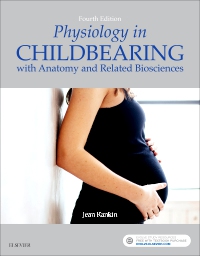

Physiology in Childbearing - Elsevier eBook on VitalSource, 4th Edition
Elsevier eBook on VitalSource
New Edition Expected Availability: 05-15-2024

Physiology in Childbearing - Elsevier E-Book on VitalSource
-
- Straightforward writing style helps demystify a challenging subject area
- Applies theory to practice to show how a knowledge of the biological sciences can enhance the care given to mothers and babies
- Designed to facilitate early recognition of pathology to help prevent morbidity and mortality
- Ideal introduction to basic biochemistry, cellular biology and genetics for those who have no prior knowledge of the subject areas
- Chapters on embryology help explain the occurrence of neonatal pathology
- A ‘body systems approach’ – including embryological development – enables an understanding of the physiological and pathophysiological changes that occur during pregnancy
- Clear diagrams allow an understanding of the complex three-dimensional concepts seen in biology
- Helpful pedagogy such as ‘Main Points’ boxes at the end of each chapter act as useful aide-memoires
- Enhances the safety of mothers and babies, both in the developed world and those countries where the provision of adequate care remains limited
-
-
 Evolve for Physiology in ChildbearingResources
-
-
Section 1: Preconception
1. Basic biochemistry
2. The cell – its structures and function
3. Structure, organization and regulation of genes
4. The female reproductive system
5. The male reproductive system
6. Fertility control
7. Infertility
8. Preconception matters
Section 2A: Pregnancy – The Fetus
9. General embryology
10. Embryological systems 1 – trunk, head and limbs
11. Embryological systems 2 – internal organs
12. The placenta, membranes and amniotic fluid
13. Fetal growth and development
14. Common fetal problems
15. Congenital anomalies
Section 2B: Pregnancy – The Mother
16. The haematological system – physiology of the blood
17. The cardiovascular system
18. Respiration
19. The renal tract
20. Fluid, electrolyte and acid–base balance
21. The gastrointestinal tract
22. The accessory digestive organs
23. Nutrition and metabolism during pregnancy
24. The nature of bone – the female pelvis and fetal skull
25. Muscle – the pelvic floor and the uterus
26. The central nervous system
27. The peripheral and autonomic nervous systems
28. The endocrine system
29. The immune system
Section 2C: Pregnancy – The Problems
30. Minor disorders of pregnancy
31. Bleeding in pregnancy
32. Cardiac and hypertensive disorders
33. Anaemia and clotting disorders
34. Respiratory, renal, gastrointestinal and neurological problems
35. Diabetes mellitus and other metabolic disorders in pregnancy
Section 3A: Labour – Normal
36. The onset of labour
37. The first stage of labour
38. Pain relief in labour
39. The second stage of labour
40. The third stage of labour
Section 3B: Labour – Problems
41. Abnormalities of uterine action and onset of labour
42. Breech presentation
43. Malposition and cephalic malpresentations
44. Cephalopelvic disproportion, obstructed labour and other obstetric emergencies
45. Postpartum haemorrhage and other third-stage problems
46. Perinatal fetal asphyxia
47. Operative delivery
Section 4A: Puerperium – The Baby as a Neonate
48. Adaptation to extra-uterine life 1: haematological, cardiovascular, respiratory and genitourinary considerations
49. Adaptation to extra-uterine life 2: gastrointestinal, metabolic, neural and immunological considerations
50. Health challenges and problems in neonates of low birth weight
51. Developmental anatomy: related cardiovascular and respiratory disorders
52. Jaundice and common metabolic problems in neonates
53. Risks of infection and trauma in neonates
Section 4B: Puerperium – The Mother
54. The breasts and lactation
55. Breastfeeding practice and problems
56. The puerperium
57. Bio-behavioural aspects of parenting -
-
Ways of Reading
- The appearance of the text and page layout can be modified according to the capabilities of the reading system (font family and font size, spaces between paragraphs, sentences, words, and letters, as well as color of background and text)
- This e-publication is accessible to the full extent that the file format and types of content allow, on a specific reading device, by default, without necessarily including any additions such as textual descriptions of images or enhanced navigation
- No information about nonvisual reading is available
-
Conformance
- No information is available
-
Navigation
- Table of contents to all chapters of the text via links
- Page list to go to pages from the print source version
-
Rich Content
- No information is available
-
Hazards
- No information is available
-
Product Content
- No information is available
-
Legal Considerations
- No information is available
-
Additional Accessibility Information
- Page breaks included from the original print source
- For readers with color vision deficiency, use of color (e.g., in diagrams, graphics and charts, in prompts, or on buttons inviting a response) is not the sole means of graphical distinction or of conveying information
- E-publication includes basic navigation (usually less detailed than TOC-based navigation)
- Where links, controls or buttons are included in the content, the purpose or functionality of each link, control or button is apparent from the associated text alone - or where it is unclear, separate link, control or button descriptions are provided
- All (or substantially all) textual matter is arranged in a single logical reading order (including text that is visually presented as separate from the main text flow, e.g., in boxouts, captions, tables, footnotes, endnotes, citations, etc.). Non-textual content is also linked from within this logical reading order. (Purely decorative non-text content can be ignored).
- The language of the text has been specified (e.g., via the HTML or XML lang attribute) to optimise text-to-speech (and other alternative renderings), both at the whole document level and, where appropriate, for individual words, phrases or passages in a different language.
-
Ways of Reading

 as described in our