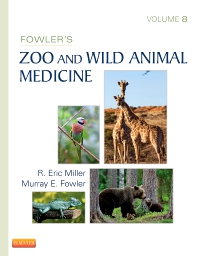

Fowler's Zoo and Wild Animal Medicine, Volume 8 - Elsevier eBook on Vital Source, 1st Edition
Elsevier eBook on VitalSource
Now $139.49
Logically organized by taxonomic groups, this up-to-date text covers the diagnosis and treatment of all zoo animal species and free-ranging wildlife, including amphibians, reptiles, birds, mammals, and fish, unlikely to be seen by private practice veterinarians. Featuring full-color images, the consistent, user-friendly format supplies information on each animal’s biology, unique anatomy, special physiology, reproduction, restraint and handling, housing requirements, nutrition and feeding, surgery and anesthesia, diagnostics, therapeutics, and diseases. Global authorship includes multinational contributors who offer expert information on different species from around the world.
"This is a welcome update to an invaluable reference series; a must-have for any veterinary professional working largely in the zoo or wildlife field, and also recommended as a reference text for the library of any practice seeing unusual species on a regular basis, even if they already have an earlier volume."Reviewed by: Charlotte Day on behalf of The Veterinary Record, Oct 14
-
- NEW! All new authors have completely revised the content to provide fresh perspectives from leading experts in the field on the latest advances in zoo and wild animal medicine.
- NEW! Color images vividly depict external clinical signs for more accurate recognition and diagnosis.
-
- Global authorship includes internationally recognized authors who have contributed new chapters focusing on the latest research and clinical management of captive and free-ranging wild animals from around the world.
- Zoological Information Management System chapter offers the latest update on this brand new system that contains a worldwide wealth of information.
- General taxonomy-based format provides a comprehensive text for sharing information in zoo and wildlife medicine.
- Concise tables provide quick reference to key points in the references.
-
PART I: AMPHIBIAN GROUPS
1. Anurans: Frogs, Toads
2. Urodela
3. CaeciliansPART II: REPTILE GROUPS
4. Chelonians
5. Crocodilia
6. Sphenodontia
7. Lacertilia and Amphisbaenids
8. OphidiaPART III: AVIAN GROUPS
9. Ratites: Tinamiformes and Struthioniformes, Rheiiformes, Cassuariformes
10. Sphenisciformes
11. Gaviiformes, Podicipediformes, and Procellariiformes
12. Pelecaniformes
13. Ciconiiformes
14. Phoenicopteriformes
15. Charadriiformes
16. Anseriformes
17. Falconiformes
18. Galliformes
19. Gruiformes
20. Columbiformes
21. Psittaciformes
22. Cuculiformes
23. Strigiformes
24. Caprimulgiformes
25. Musophagiformes
26. Trochiliformes
27. Apodiformes and Coliiformes
28. Trogoniformes
29. Coraciiformes
30. Piciformes
31. PasseriformesPART IV: MAMMAL GROUPS
32. Monotremata
33. Marsupialia
34. Insectivora and Dermoptera
35. Chiroptera
36. Prosimians
37. Primates
38. Great Apes
39. Xenarthra: Edentata
40. Pholidota
41. Lagomorpha
42. Rodentia
43. Cetacea
44. Pinnipedia
45. Sirenia
46. Canidae
47. Felidae
48. Mustelidae
49. Procyonidae and Viverridae
50. Ursidae
51. Hyaenidae
52. Tubulidentata
53. Proboscidea
54. Hyracoidea
55. Rhinoceridae
56. Tapiridae
57. Equidae
58. Suidae and Tayassuidae
59. Hippopotamidae
60. Camelidae
61. Giraffidae
62. Cervidae and Tragulidae
63. Bovidae and Antilocapridae
64. Sheep, Goats, and Goat like AnimalsPART V: GENERAL ZOO AND WILD ANIMAL TOPICS
65. Avian Deflighting Techniques
66. CT/MRI Use in Zoo Animals
67. Gout in Exotic Animals
68. Infectious Diseases Notebooks
69. Iron Storage Diseases
70. JZWM
71. Latest Advances in Darting Equipment
72. A Legal Overview for Zoological Medicine Veterinarians
73. Minimally Invasive Surgery Techniques
74. One Health and Conservation Medicine
75. Tuberculosis Diagnosis
76. Updates on West Nile Virus
77. Use of Ultrasound in Wildlife Species
78. WildPro
79. ZIMS
80. Guidelines for the Management of Zoonotic Diseases
81. Contraception
82. AAZV Guidelines for Zoo and Aquarium Veterinary Medical Programs and Veterinary Hospitals -
-
Ways of Reading
- The appearance of the text and page layout can be modified according to the capabilities of the reading system (font family and font size, spaces between paragraphs, sentences, words, and letters, as well as color of background and text)
- This e-publication is accessible to the full extent that the file format and types of content allow, on a specific reading device, by default, without necessarily including any additions such as textual descriptions of images or enhanced navigation
- No information about nonvisual reading is available
-
Conformance
- No information is available
-
Navigation
- Table of contents to all chapters of the text via links
- Page list to go to pages from the print source version
-
Rich Content
- No information is available
-
Hazards
- No information is available
-
Product Content
- No information is available
-
Legal Considerations
- No information is available
-
Additional Accessibility Information
- Page breaks included from the original print source
- For readers with color vision deficiency, use of color (e.g., in diagrams, graphics and charts, in prompts, or on buttons inviting a response) is not the sole means of graphical distinction or of conveying information
- E-publication includes basic navigation (usually less detailed than TOC-based navigation)
- Where links, controls or buttons are included in the content, the purpose or functionality of each link, control or button is apparent from the associated text alone - or where it is unclear, separate link, control or button descriptions are provided
- All (or substantially all) textual matter is arranged in a single logical reading order (including text that is visually presented as separate from the main text flow, e.g., in boxouts, captions, tables, footnotes, endnotes, citations, etc.). Non-textual content is also linked from within this logical reading order. (Purely decorative non-text content can be ignored).
- The language of the text has been specified (e.g., via the HTML or XML lang attribute) to optimise text-to-speech (and other alternative renderings), both at the whole document level and, where appropriate, for individual words, phrases or passages in a different language.
-
Ways of Reading


 as described in our