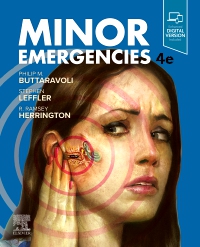

Minor Emergencies Elsevier eBook on VitalSource, 4th Edition
Elsevier eBook on VitalSource
-
- Offers a practical approach to common minor emergencies, with brief, to-the-point guidance on everything from febrile seizures in children, foreign body removal, and initial management of epistaxis to rib fractures, sacroiliac joint injection, and patellar dislocation reduction
- Includes new ultrasound examples throughout, plus new chapters on floaters, prophylaxis following sexual exposure, leg edema, piercing complications, Taser injuries, and more
- Provides at-a-glance guidance with "What to Do" and "What NOT to Do" checklists
- Presents information in a highly templated format, with each topic given 2-3 pages of coverage
- Features a discussion box at the end of each chapter with a quick overview of clinical manifestations, differential diagnosis, and other points of consideration—with evidence
- Includes access to 38 procedural videos such as removing foreign body from skin, upper facial injury-fracture examination, and more
- Offers procedural sedation recommendations from Dr. Daniel Wolfson
- Enhanced eBook version included with purchase, which allows you to access all of the text, figures, and references from the book on a variety of devices
-
-
 Minor EmergenciesPaperback
-
-
PART 1: Neurologic and Psychiatric Emergencies
1. Dystonic Drug Reaction
2. Heat Illness (Heat Edema, Heat Syncope, Heat Cramps, Heat Exhaustion)
3. Hyperventilation
4. Hysterical Coma or Pseudoseizure
5. Idiopathic Facial Paralysis (Bell's Palsy)
6. Migraine Headache
7. Seizures (Convulsions, Fits), Adult
8. Seizures (Convulsions, Fits), Febrile and Pediatric
9. Tension-Type (Muscle Contraction) Headache
10. Trivial, Minimal, and Minor Head Trauma (Concussion)
11. Vasovagal or Neurocardiogenic or Neurally Mediated Syncope (Faint, Swoon)
12. Vertigo (Dizziness, Lightheadedness)
13. Weakness
PART 2: Ophthalmologic Emergencies
14. Conjunctivitis (Pink Eye)
15. Contact Lens Complications
16. Corneal Abrasion
17. Floaters
18. Foreign Body, Conjunctival
19. Foreign Body, Corneal
20. Hordeolum (Sty)
21. Iritis (Acute Anterior Uveitis)
22. Periorbital and Conjunctival Edema
23. Periorbital Ecchymosis (Black Eye)
24. Removal of Dislocated Contact Lens
25. Subconjunctival Hemorrhage
26. Ultraviolet Keratoconjunctivitis (Welders or Tanning Bed Burn)
PART 3: Ear, Nose, and Throat Emergencies
27. Cerumen Impaction (Earwax Blockage)
28. Epistaxis (Nosebleed)
29. Foreign Body, Ear
30. Foreign Body, Nose
31. Foreign Body, Throat
32. Laryngotracheobronchitis (Croup)
33. Mononucleosis (Glandular Fever)
34. Nasal Fracture (Broken Nose)
35. Otitis Externa (Swimmer's Ear), Acute
36. Otitis Media, Acute
37. Otitis Media with Effusion; Serous (Secretory) Otitis Media (Glue Ear)
38. Perforated Tympanic Membrane (Ruptured Eardrum)
39. Pharyngitis (Sore Throat)
40. Rhinitis, Acute (Runny Nose)
41. Rhinosinusitis (Sinusitis)
PART 4: Oral and Dental Emergencies
42. Aphthous Ulcer, Acute
43. Avulsed Tooth, Dental Subluxation, and Dental Luxation
44. Bleeding after Dental Surgery
45. Burning Mouth Syndrome, Burning Tongue (Glossodynia)
46. Dental Pain, Periapical Abscess (Tooth Abscess
47. Dental Pain, Pericoronitis
48. Dental Pain, Postextraction Alveolar Osteitis (Dry Socket)
49. Dental Pain, Pulpitis
50. Dental Trauma (Fracture, Subluxation, and Displacement)
51. Gingivitis and Acute Necrotizing Ulcerative Gingivitis (Trench Mouth)
52. Lacerations of the Mouth
53. Oral Candidiasis (Thrush or Yeast Infection)
54. Oral Herpes Simplex (Cold Sore, Fever Blister)
55. Orthodontic Complications
56. Perlèche (Angular Cheilitis)
57. Sialolithiasis (Salivary Duct Stones)
58. Temporomandibular Disorder
59. Temporomandibular Joint Dislocation (Jaw Dislocation)
60. Uvular Edema, Acute
PART 5: Pulmonary and Thoracic Emergencies
61. Bronchitis (Chest Cold), Acute
62. Costochondritis and Musculoskeletal Chest Pain
63. Inhalation Injury (Smoke Inhalation)
64. Irritant Incapacitant Exposure (Lacrimators, Riot Control Agents, Tear Gas)
65. Rib Fracture and Costochondral Separation (Broken Rib)
PART 6: Gastrointestinal Emergencies
66. Anal Fissure
67. Blocked Tubes (G-tube, J-tube)
68. Constipation, Irritable Bowel Syndrome, and Colic (Stomach Cramps)
69. Diarrhea (Acute Gastoenteritis)
70. Enterobiasis (Pinworm, Seatworm, Threadworm)
71. Esophageal Food Bolus Obstruction (Steakhouse Syndrome)
72. Foreign Body, Rectal
73. Foreign Body, Swallowed
74. Hemorrhoids (Piles)
75. Singultus (Hiccups)
76. Vomiting (Food Poisoning, Gastroenteritis)
PART 7: Urologic Emergencies
77. Blunt Scrotal Trauma
78. Colorful Urine
79. Epididymitis
80. Genital Herpes Simplex
81. Phimosis and Paraphimosis
82. Prostatitis, Acute Bacterial
83. Urethritis (Drip, Clap)
84. Urinary Retention, Acute
85. Urinary Tract Infection, Lower (Cystitis), Uncomplicated
PART 8: Gynecologic Emergencies
86. Bartholin Abscess
87. Condylomata acuminate (Genital Warts)
88. Contact Vulvovaginitis
89. Dysmenorrhea (Menstrual Cramps)
90. Foreign Body, Vaginal
91. Pelvic Inflammatory Disease (PID)
92. Prophylaxis Following Sexual Exposure
93. Vaginal Bleeding
94. Vaginitis
PART 9: Musculoskeletal Emergencies
95. Acromioclavicular (Shoulder) Separation
96. Ankle Sprain (Twisted Ankle)
97. Annular Ligament Displacement, Radial Head Subluxation (Nursemaid's Elbow)
98. Boutonnière Finger
99. Boxer's Fifth Metacarpal Fracture
100. Bursitis
101. Carpal Tunnel Syndrome
102. Cervical Strain (Whiplash)
103. Clavicle (Collarbone) Fracture
104. Coccyx Fracture (Tailbone Fracture)
105. DeQuervain's Paratenonitis (Thumb Tenosynovitis)
106. Extensor Tendon Avulsion-Distal Phalanx (Baseball or Mallet Finger)
107. Finger Dislocation (PIP Joint)
108. Finger Sprain (PIP Joint)
109. Fingertip (Tuft) Fractures
110. Flexor Digitorum Profundus Tendon Avulsion-Distal Phalanx (Splay Finger)
111. Ganglion Cysts
112. Gouty Arthritis, Acute
113. Knee Sprain
114. Lateral Epicondylitis (Tennis Elbow) and Medial Epicondylitis (Golfer's Elbow)
115. Ligament Sprains (Including Joint Capsule Injuries)
116. Locked Knee
117. Lumbar Strain ("Mechanical" Low Back Pain, Sacroiliac Dysfunction), Acute
118. Monarticular Arthritis, Acute
119. Muscle Cramps (Charley Horse)
120. Muscle Strains and Tears
121. Myofascial Pain Syndrome (Trigger-Points)
122. Patellar Dislocation
123. Plantar Fasciitis ("Heel Spur")
124. "Plantaris Tendon" Rupture, Gasrocnemius Muscle Tear (Calf Muscle Tear)
125. Radial Head Fracture
126. Radial Neuropathy (Saturday Night Palsy)
127. Scaphoid Fracture
128. Shoulder Dislocation
129. Tendinopathy: Tendinosis, Paratenonitis (Tendonitis)
130. Toe Fracture (Broken Toe)
131. Torticollis (Wryneck)
132. Ulnar Collateral Ligament Tear of the Thumb (Ski Pole or Gamekeeper's Thumb)
PART 10: Soft Tissue Emergencies
133. Bicycle Spoke Injury
134. Contusion (Bruise)
135. Fingernail or Toenail Avulsion
136. Fingertip Avulsion, Superficial
137. Fishhook Removal
138. Foreign Body beneath Nail
139. Impalement Injuries, Minor
140. Laceration, Simple
141. Leg Edema
142. Mammalian Bites
143. Marine Envenomations
144. Nailbed Laceration
145. Nail Root Dislocation
146. Needle (Foreign Body) in Foot
147. Needle Stick (Postexposure Prophylaxis)
148. Acute Paronychia
149. Pencil Point Puncture
150. Piercing Complications
151. Puncture Wounds
152. Ring Removal
153. Sliver, Superficial
154. Subcutaneous Foreign Bodies (Metal, Dental Fragments, Glass, Gravel, and Hard Plastic)
155. Subungual Ecchymosis; Tennis Toe
156. Subungual Hematoma
157. Superficial Thrombophlebitis/Bleeding Varicosity
158. Taser Injuries
159. Torn/Split Earlobe
160. Traumatic Tattoos and Abrasions
161. Zipper Entrapment (Penis or Chin)
PART 11: Dermatologic Emergencies
162. Allergic Contact Dermatitis
163. Arachnid Envenomation (Spider Bite)
164. Arthropod Bites (Bug Bites, Insect Bites)
165. Cutaneous Abscess or Pustule
166. Cutaneous Larva Migrans (Creeping Eruption)
167. Diaper Dermatitis (Diaper Rash)
168. Erysipelas, Cellulitis, Lymphangitis
169. Fire Ant Stings
170. Friction Blister
171. Frostnip, Frostbite, and Mild Hypothermia
172. Herpes Zoster (Shingles)
173. Hymenoptera (Bee, Wasp, Hornet) Envenomation
174. Impetigo
175. Partial-Thickness (Second-Degree) Burns and Tar Burns
176. Pediculosis (Lice, Crabs)
177. Pityriasis Rosea
178. Pyogenic Granuloma or Lobular Capillary Hemangioma (Proud Flesh)
179. Scabies (Human Itch Mite)
180. Sea Bather's Eruption (Sea Lice)
181. Sunburn
182. Tick Removal
183. Tinea Pedis, Tinea Cruris, Tinea Corporis (Athlete's Foot, Jock Itch, Ringworm)
184. Toxicodendron (Rhus) Allergic Contact Dermatitis (Poison Ivy, Oak, or Sumac)
185. Uticaria (Hives), Acute
186. Warts (Common and Plantar) -
-
Ways of Reading
- The appearance of the text and page layout can be modified according to the capabilities of the reading system (font family and font size, spaces between paragraphs, sentences, words, and letters, as well as color of background and text)
- This e-publication is accessible to the full extent that the file format and types of content allow, on a specific reading device, by default, without necessarily including any additions such as textual descriptions of images or enhanced navigation
- No information about nonvisual reading is available
-
Conformance
- No information is available
-
Navigation
- Table of contents to all chapters of the text via links
- Page list to go to pages from the print source version
-
Rich Content
- No information is available
-
Hazards
- No information is available
-
Product Content
- No information is available
-
Legal Considerations
- No information is available
-
Additional Accessibility Information
- Page breaks included from the original print source
- For readers with color vision deficiency, use of color (e.g., in diagrams, graphics and charts, in prompts, or on buttons inviting a response) is not the sole means of graphical distinction or of conveying information
- E-publication includes basic navigation (usually less detailed than TOC-based navigation)
- Where links, controls or buttons are included in the content, the purpose or functionality of each link, control or button is apparent from the associated text alone - or where it is unclear, separate link, control or button descriptions are provided
- All (or substantially all) textual matter is arranged in a single logical reading order (including text that is visually presented as separate from the main text flow, e.g., in boxouts, captions, tables, footnotes, endnotes, citations, etc.). Non-textual content is also linked from within this logical reading order. (Purely decorative non-text content can be ignored).
- The language of the text has been specified (e.g., via the HTML or XML lang attribute) to optimise text-to-speech (and other alternative renderings), both at the whole document level and, where appropriate, for individual words, phrases or passages in a different language.
-
Ways of Reading

 as described in our